Quick Summary
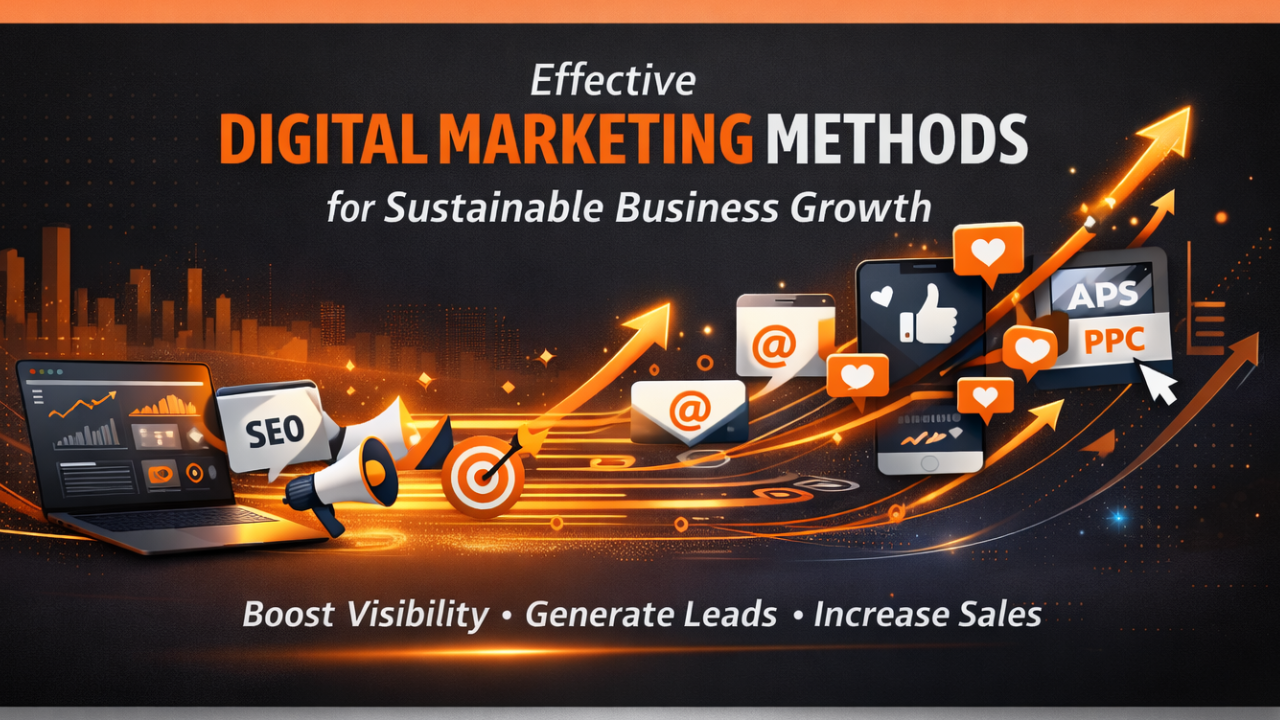
In today’s fast-paced and highly competitive world, businesses must adapt to changing consumer behavior and technology to stay relevant. Traditional marketing methods alone are no longer enough to achieve sustainable growth. By using online platforms, tools, and data-driven strategies, businesses of all sizes can increase visibility, attract the right audience, generate leads, and boost sales effectively.
What Is Digital Marketing?
Digital marketing refers to the promotion of products or services using digital channels such as search engines, websites, social media platforms, email, and mobile apps. Unlike traditional marketing, digital marketing allows businesses to reach targeted audiences, track performance in real time, and optimize campaigns for better results. From startups to established enterprises, digital marketing offers scalable and cost-effective solutions for business growth.
Why Digital Marketing Is Essential for Business Growth
The internet has transformed the way consumers search for information and make purchasing decisions. Today, customers rely heavily on Google searches, social media recommendations, online reviews, and digital ads before choosing a brand. Digital marketing helps businesses meet customers where they spend most of their time — online.
With digital marketing, businesses can:
- Reach a global or local audience
- Build brand awareness and credibility
- Generate high-quality leads
- Improve customer engagement
- Measure return on investment (ROI)
Key Digital Marketing Strategies to Grow Your Business
Search Engine Optimization (SEO)
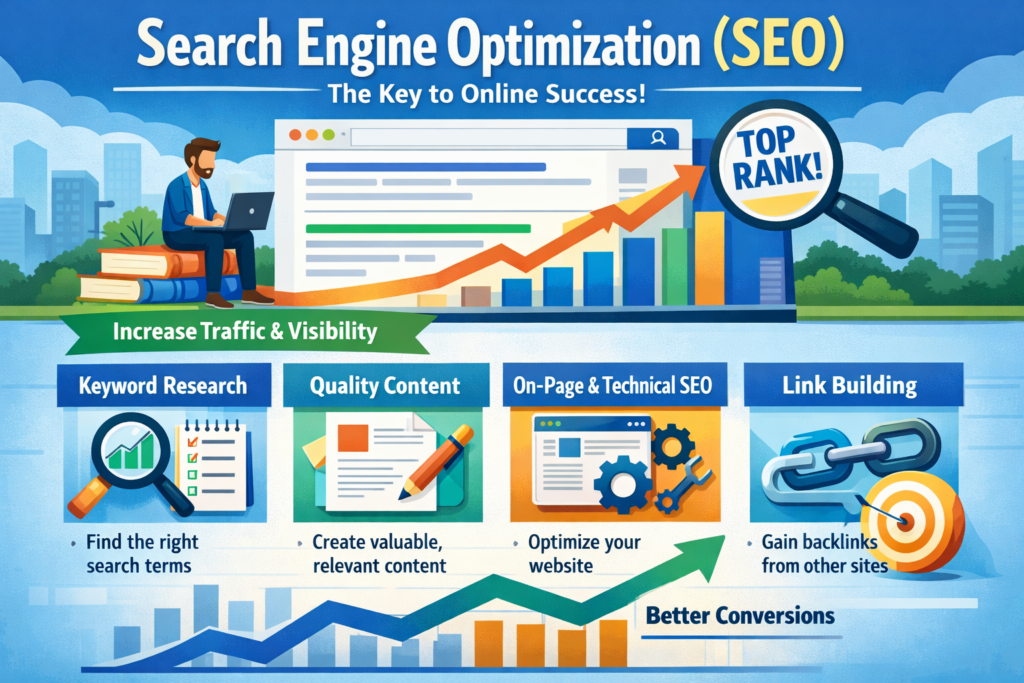
SEO is one of the most powerful digital marketing strategies for long-term growth. When potential customers search for products or services related to your business, SEO helps your website appear at the top.
Effective SEO includes keyword research, quality content creation, on-page optimization, technical SEO, and link building. Higher rankings lead to increased organic traffic, better brand visibility, and higher conversion rates.
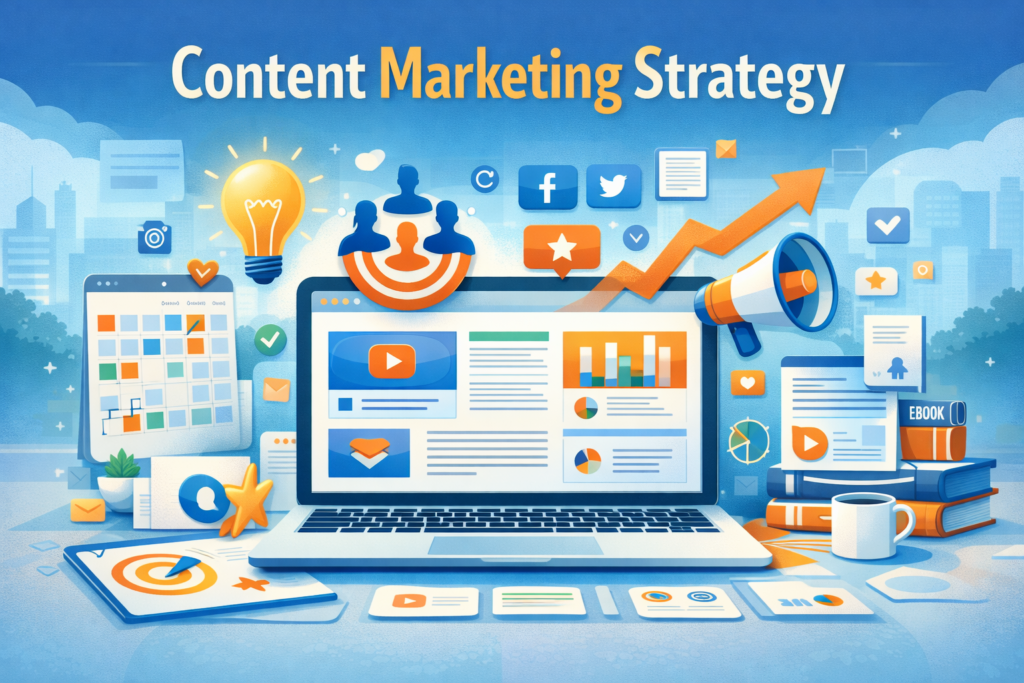
Content Marketing
Content marketing focuses on creating valuable, informative, and engaging content that attracts and educates your audience. Blogs, articles, videos, infographics, eBooks, and case studies help build trust and authority in your industry.
High-quality content not only supports SEO but also nurtures leads and encourages customers to take action. Businesses that consistently publish relevant content are more likely to retain customers and establish long-term relationships.
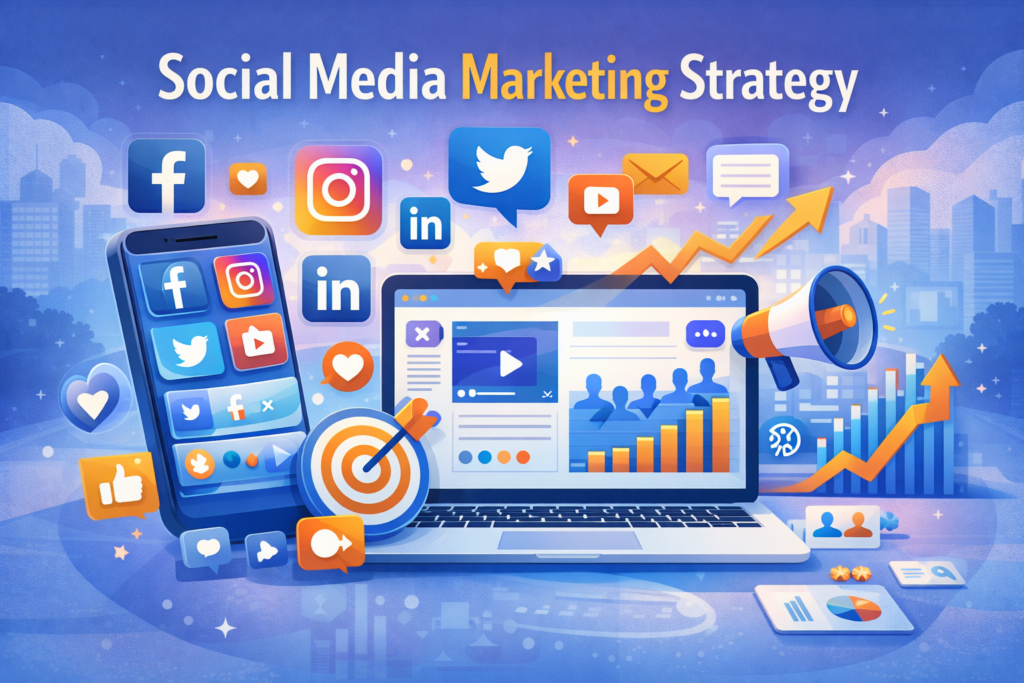
Social Media Marketing
Social media platforms like
Facebook,
Instagram,
LinkedIn,
Twitter, and
YouTube
offer businesses a powerful way to connect with their audience. Social media marketing helps build brand awareness, promote products, engage followers, and drive traffic to your website.
By sharing regular posts, stories, videos, and ads, businesses can communicate directly with customers and receive instant feedback. Paid social media advertising further allows precise targeting based on demographics, interests, and behavior.
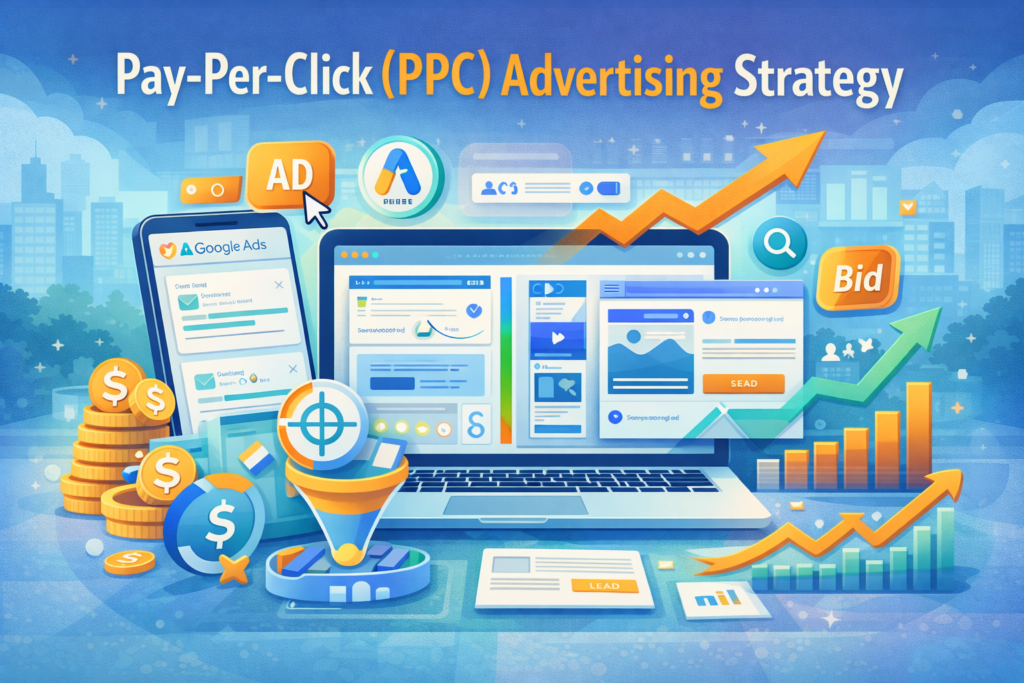
Pay-Per-Click (PPC) Advertising
PPC advertising is a paid digital marketing strategy where businesses pay for clicks on their ads. Platforms such as Google Ads and social media ads deliver instant visibility and results. PPC is especially useful for promoting new products, special offers, or competitive keywords.
With proper keyword selection, ad copy, and landing page optimization, PPC campaigns can generate high-quality leads and measurable ROI in a short time.
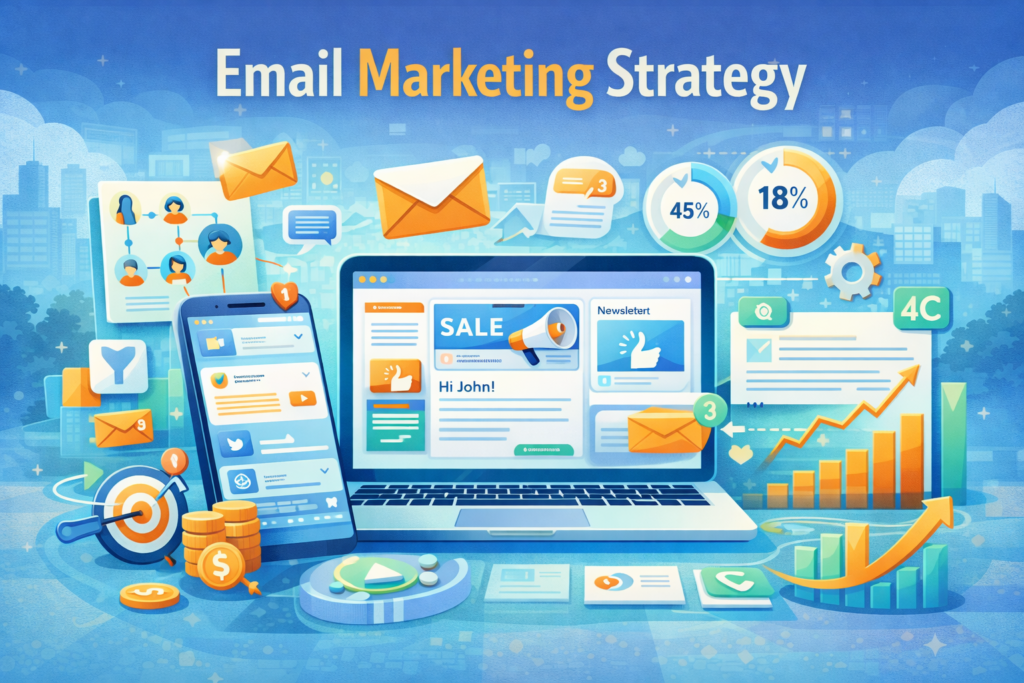
Email Marketing
It allows businesses to communicate directly with customers through personalized messages, newsletters, promotions, and updates.
By segmenting email lists and delivering relevant content, businesses can nurture leads, increase customer retention, and drive repeat sales. Automation tools make email marketing efficient and scalable.
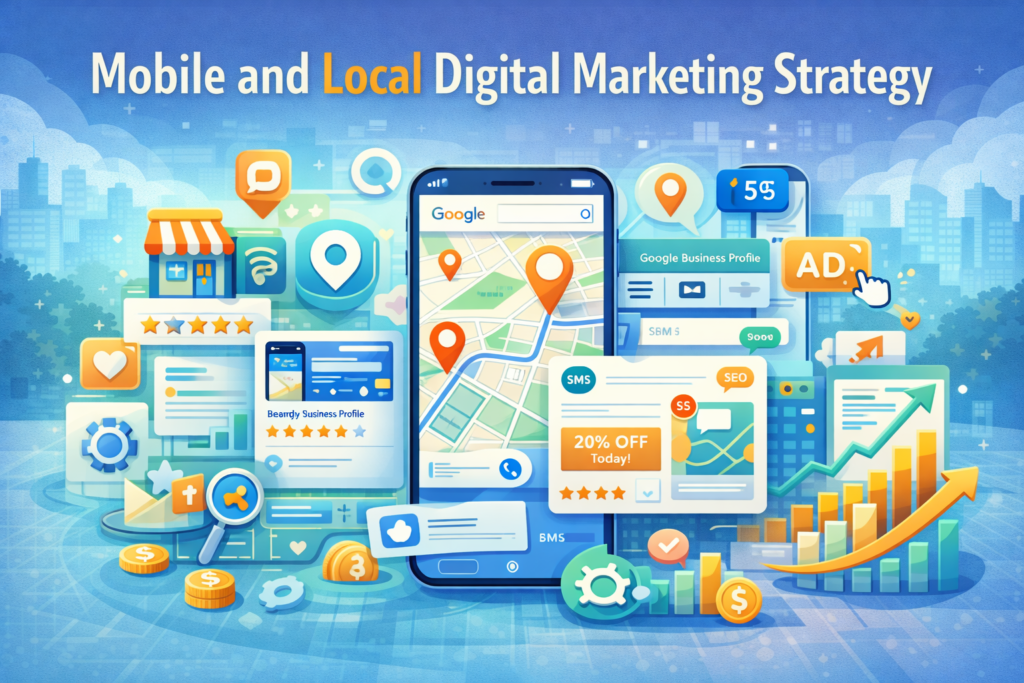
Mobile and Local Marketing
With the rise of smartphones, mobile marketing has become essential. Optimizing websites for mobile devices, using SMS marketing, and targeting local searches help businesses reach customers on the go.
Local SEO and Google Business Profile optimization ensure that businesses appear in local search results, especially for customers searching for nearby services or products.
Benefits of Digital Marketing for Businesses
- Cost-effective compared to print and TV ads
- Targeted reach to specific customer segments
- Measurable results through analytics and tracking tools
- Flexibility to adjust campaigns in real time
- Higher engagement through interactive platforms
These benefits make digital marketing a smart investment for businesses aiming for consistent growth.
Conclusion
Digital marketing is no longer optional—it is essential for business success in the modern world. By leveraging strategies such as SEO, content marketing, social media, PPC, and email marketing, businesses can reach the right audience, increase brand visibility, and drive sustainable growth.
Whether you are a small business owner or managing a large enterprise, investing in digital marketing will help you stay competitive, build strong customer relationships, and achieve long-term success.