🤖 What Is the Difference Between AI Tools and AI Agents? – Quick Summary
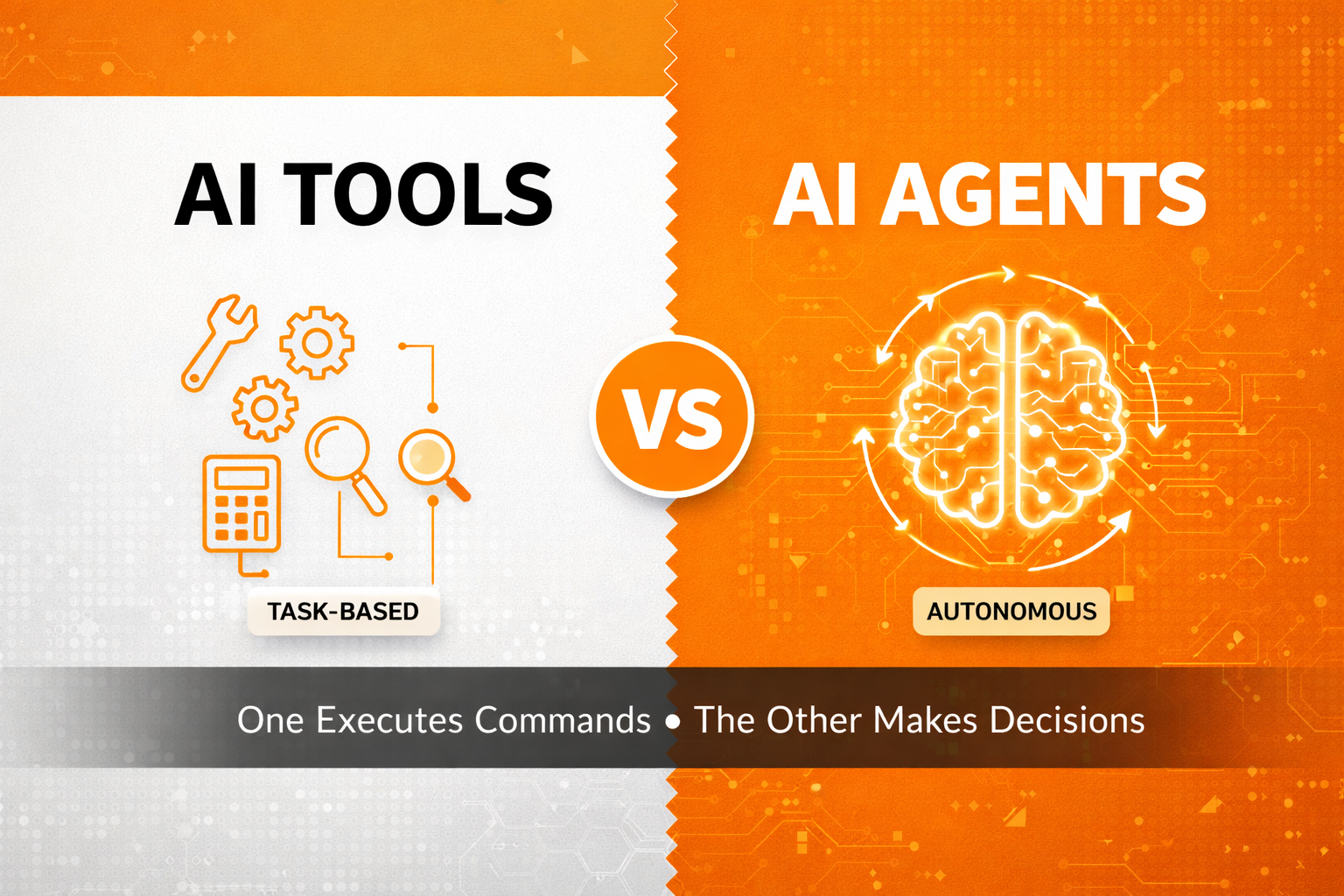
The difference between AI tools and AI agents mainly lies in autonomy and decision-making ability ⚙️.
🛠️ AI tools assist users in performing specific tasks based on instructions. 🚀 AI agents, on the other hand, can independently plan, execute, and optimize tasks without constant human input.
✨ In simple terms:
- 🛠️ AI tools follow commands.
- 🎯 AI agents pursue goals.
🛠️ What Are AI Tools?
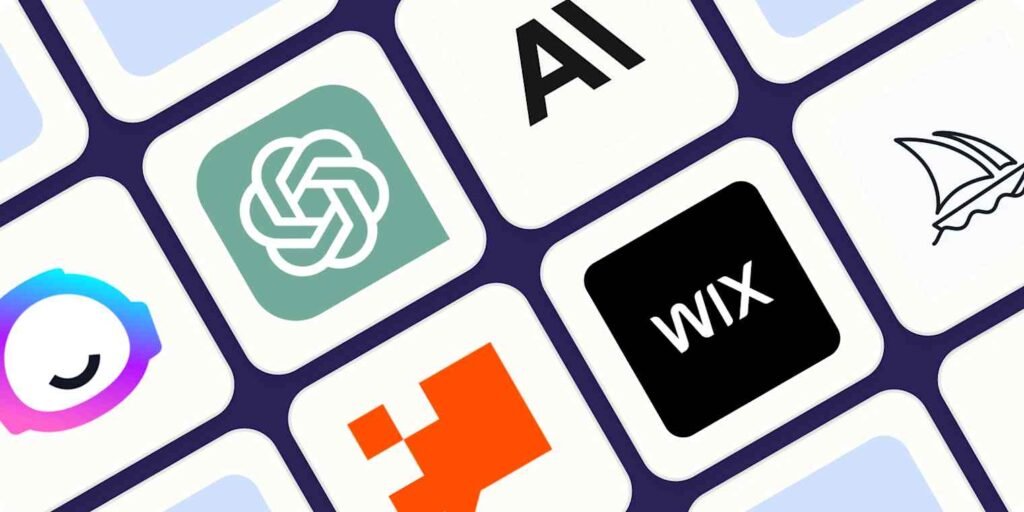
AI tools are software applications designed to complete particular tasks using artificial intelligence 🤖. They require user prompts or instructions to function.
✨ Examples of AI Tools
- ✍️ AI writing assistants
- 🎨 AI image generators
- 📊 Data analytics dashboards
- 💬 Chat-based productivity apps
⚡ These tools increase efficiency but still depend on human direction.
⚙️ Key Features of AI Tools
- 🎯 Task-specific functionality
- ⌨️ Prompt-based output
- 🧠 Limited decision-making
- 👨💻 Human-controlled execution
🚀 AI tools are perfect for boosting productivity but not for independent workflow management.
🤖 What Are AI Agents?
AI agents are advanced systems capable of acting autonomously to achieve defined objectives 🎯. Instead of waiting for instructions at every step, they can analyze situations, make decisions, and perform multi-step actions.
🚀 Key Features of AI Agents
- 🤖 Autonomous operation
- 🎯 Goal-oriented behavior
- 🔄 Multi-step task handling
- 📈 Continuous learning and adaptation
⚡ AI agents are built for automation at scale.
📊 Core Differences Between AI Tools and AI Agents
Here is a simplified comparison to understand the difference between AI tools and AI agents more clearly:
| Feature | 🛠️ AI Tools | 🤖 AI Agents |
|---|---|---|
| Autonomy | Low | High |
| Human Input | Required | Minimal |
| Task Complexity | Single-step | Multi-step |
| Decision Making | No | Yes |
| Adaptability | Limited | Advanced |
⚡ The difference between AI tools and AI agents becomes clear when automation complexity increases.
🌍 Real-World Example: AI Tools vs AI Agents
Imagine managing a content marketing workflow 📈.
🛠️ With an AI Tool:
- ✍️ You provide a topic.
- ⚡ It generates content.
- 📝 You edit and publish manually.
🤖 With an AI Agent:
- 🔎 It researches trending topics.
- 📊 Generates optimized content.
- 🚀 Publishes automatically.
- 📈 Tracks performance.
- 🔄 Improves strategy based on results.
✨ This real-world example clearly shows the practical difference between AI tools and AI agents in 2026.
🛠️ When Should You Use AI Tools?
AI tools are suitable when:
- ⚡ You need quick assistance.
- 🔁 Tasks are repetitive.
- 🎛️ You want full manual control.
- 💰 Budget is limited.
👩💻 Freelancers, students, and small businesses often prefer AI tools for daily productivity tasks.
🤖 When Should You Use AI Agents?
AI agents are ideal when:
- 🚀 You want end-to-end automation.
- 🧩 Workflows are complex.
- 📈 Continuous optimization is required.
- 📊 Scaling operations is a priority.
🏢 Enterprises and tech-driven organizations are increasingly adopting AI agents in 2026.
⚖️ Advantages of AI Tools vs AI Agents
🛠️ Advantages of AI Tools
AI tools improve efficiency without major infrastructure changes. |
🤖 Advantages of AI Agents
AI agents provide long-term automation benefits. |
🔮 The Future of AI Tools and AI Agents in 2026
The difference between AI tools and AI agents will continue to grow as technology advances 📈. While AI tools will remain essential for specific tasks, AI agents are expected to dominate intelligent automation systems.
🏆 Organizations that understand the difference between AI tools and AI agents today will gain a competitive advantage tomorrow.
❓ FAQs – AI Tools vs AI Agents
1️⃣ What is the main difference between AI tools and AI agents?
The main difference between AI tools and AI agents is autonomy. AI tools require user instructions, while AI agents can operate independently.
2️⃣ Are AI agents better than AI tools?
Not necessarily. AI tools are ideal for simple tasks, while AI agents are better for complex automation.
3️⃣ Can small businesses use AI agents?
Yes, but AI tools are usually more cost-effective for small businesses starting with automation.
4️⃣ Do AI agents replace human workers?
AI agents assist and automate workflows but still require human oversight.
5️⃣ Is 2026 the year of AI agents?
Many industry trends suggest increasing adoption of AI agents in automation ecosystems.
✅ Conclusion
To summarize, the difference between AI tools and AI agents comes down to autonomy and intelligence. AI tools assist humans in performing tasks, while AI agents independently execute and optimize workflows.
🛠️ If you want structured assistance, choose AI tools.
🚀 If you want scalable automation and intelligent execution, choose AI agents.
🔮 Knowing the difference between AI tools and AI agents in 2026 will help you make smarter and future-ready technology decisions.